Deprecated: Creation of dynamic property CoolTimelinePro::$plugin_path is deprecated in /home/raistech/rqr.rais-tech.com/wp-content/plugins/cool-timeline-pro/cool-timeline-pro.php on line 69

Deprecated: Using ${var} in strings is deprecated, use {$var} instead in /home/raistech/rqr.rais-tech.com/wp-content/plugins/envato-market/inc/admin/class-envato-market-admin.php on line 1355

Deprecated: Using ${var} in strings is deprecated, use {$var} instead in /home/raistech/rqr.rais-tech.com/wp-content/plugins/envato-market/inc/admin/class-envato-market-admin.php on line 1355

Deprecated: Using ${var} in strings is deprecated, use {$var} instead in /home/raistech/rqr.rais-tech.com/wp-content/plugins/envato-market/inc/admin/class-envato-market-admin.php on line 1376

Deprecated: Using ${var} in strings is deprecated, use {$var} instead in /home/raistech/rqr.rais-tech.com/wp-content/plugins/envato-market/inc/admin/class-envato-market-admin.php on line 1414

Notice: Function _load_textdomain_just_in_time was called incorrectly. Translation loading for the js_composer domain was triggered too early. This is usually an indicator for some code in the plugin or theme running too early. Translations should be loaded at the init action or later. Please see Debugging in WordPress for more information. (This message was added in version 6.7.0.) in /home/raistech/rqr.rais-tech.com/wp-includes/functions.php on line 6170

Deprecated: Using ${var} in strings is deprecated, use {$var} instead in /home/raistech/rqr.rais-tech.com/wp-content/plugins/the-events-calendar/src/Tribe/Repositories/Event.php on line 486

Deprecated: Using ${var} in strings is deprecated, use {$var} instead in /home/raistech/rqr.rais-tech.com/wp-content/plugins/the-events-calendar/src/Tribe/Repositories/Event.php on line 486

Notice: Function _load_textdomain_just_in_time was called incorrectly. Translation loading for the the-events-calendar domain was triggered too early. This is usually an indicator for some code in the plugin or theme running too early. Translations should be loaded at the init action or later. Please see Debugging in WordPress for more information. (This message was added in version 6.7.0.) in /home/raistech/rqr.rais-tech.com/wp-includes/functions.php on line 6170

Deprecated: Return type of TEC\Events\Custom_Tables\V1\Migration\Reports\Site_Report::jsonSerialize() should either be compatible with JsonSerializable::jsonSerialize(): mixed, or the #[\ReturnTypeWillChange] attribute should be used to temporarily suppress the notice in /home/raistech/rqr.rais-tech.com/wp-content/plugins/the-events-calendar/src/Events/Custom_Tables/V1/Migration/Reports/Site_Report.php on line 195

Deprecated: Optional parameter $download_url declared before required parameter $js_action is implicitly treated as a required parameter in /home/raistech/rqr.rais-tech.com/wp-content/plugins/the-events-calendar/common/vendor/vendor-prefixed/stellarwp/installer/src/Installer/Handler/Plugin.php on line 123

Deprecated: Optional parameter $did_action declared before required parameter $js_action is implicitly treated as a required parameter in /home/raistech/rqr.rais-tech.com/wp-content/plugins/the-events-calendar/common/vendor/vendor-prefixed/stellarwp/installer/src/Installer/Handler/Plugin.php on line 123

Deprecated: Creation of dynamic property Tribe__Events__Aggregator::$migrate is deprecated in /home/raistech/rqr.rais-tech.com/wp-content/plugins/the-events-calendar/src/Tribe/Aggregator.php on line 420

Deprecated: Creation of dynamic property Tribe__Events__REST__V1__EA_Messages::$messages is deprecated in /home/raistech/rqr.rais-tech.com/wp-content/plugins/the-events-calendar/src/Tribe/REST/V1/Messages.php on line 12

Deprecated: Creation of dynamic property Tribe__Events__Aggregator::$records is deprecated in /home/raistech/rqr.rais-tech.com/wp-content/plugins/the-events-calendar/src/Tribe/Aggregator.php on line 424

Deprecated: Creation of dynamic property Tribe__Events__Aggregator::$cron is deprecated in /home/raistech/rqr.rais-tech.com/wp-content/plugins/the-events-calendar/src/Tribe/Aggregator.php on line 425

Deprecated: Creation of dynamic property Tribe__Events__Aggregator::$errors is deprecated in /home/raistech/rqr.rais-tech.com/wp-content/plugins/the-events-calendar/src/Tribe/Aggregator.php on line 428

Deprecated: Creation of dynamic property CoolContentTimeline::$assetsObj is deprecated in /home/raistech/rqr.rais-tech.com/wp-content/plugins/cool-timeline-pro/includes/shortcodes/content-timeline/cool-content-timeline-shortcode.php on line 23

Deprecated: Creation of dynamic property ReduxFramework_extension_vendor_support::$extension_dir is deprecated in /home/raistech/rqr.rais-tech.com/wp-content/themes/apicona/inc/redux-framework/redux-vendor-support/vendor_support/extension_vendor_support.php on line 51

Deprecated: Creation of dynamic property ReduxFramework_extension_vendor_support::$extension_url is deprecated in /home/raistech/rqr.rais-tech.com/wp-content/themes/apicona/inc/redux-framework/redux-vendor-support/vendor_support/extension_vendor_support.php on line 52

Deprecated: Creation of dynamic property ReduxFramework::$old_opt_name is deprecated in /home/raistech/rqr.rais-tech.com/wp-content/themes/apicona/inc/redux-framework/ReduxCore/framework.php on line 232

Deprecated: Creation of dynamic property ReduxFramework_Extension_options_object::$field_name is deprecated in /home/raistech/rqr.rais-tech.com/wp-content/themes/apicona/inc/redux-framework/ReduxCore/inc/extensions/options_object/extension_options_object.php on line 62

Deprecated: Creation of dynamic property ReduxFramework_extension_import_export::$field_name is deprecated in /home/raistech/rqr.rais-tech.com/wp-content/themes/apicona/inc/redux-framework/ReduxCore/inc/extensions/import_export/extension_import_export.php on line 62

Deprecated: Creation of dynamic property ReduxFramework_extension_customizer::$upload_dir is deprecated in /home/raistech/rqr.rais-tech.com/wp-content/themes/apicona/inc/redux-framework/ReduxCore/inc/extensions/customizer/extension_customizer.php on line 62

Deprecated: Creation of dynamic property ReduxFramework::$transients_check is deprecated in /home/raistech/rqr.rais-tech.com/wp-content/themes/apicona/inc/redux-framework/ReduxCore/framework.php on line 2493

Deprecated: Creation of dynamic property Tribe\Events\Event_Status\Classic_Editor::$context is deprecated in /home/raistech/rqr.rais-tech.com/wp-content/plugins/the-events-calendar/src/Tribe/Event_Status/Classic_Editor.php on line 63

Deprecated: Creation of dynamic property Tribe__Events__Venue::$singular_venue_label_lowercase is deprecated in /home/raistech/rqr.rais-tech.com/wp-content/plugins/the-events-calendar/src/Tribe/Venue.php on line 108

Deprecated: Creation of dynamic property Tribe__Events__Venue::$plural_venue_label_lowercase is deprecated in /home/raistech/rqr.rais-tech.com/wp-content/plugins/the-events-calendar/src/Tribe/Venue.php on line 110

Deprecated: Creation of dynamic property Tribe__Events__Organizer::$singular_organizer_label_lowercase is deprecated in /home/raistech/rqr.rais-tech.com/wp-content/plugins/the-events-calendar/src/Tribe/Organizer.php on line 72

Deprecated: Creation of dynamic property Tribe__Events__Organizer::$plural_organizer_label_lowercase is deprecated in /home/raistech/rqr.rais-tech.com/wp-content/plugins/the-events-calendar/src/Tribe/Organizer.php on line 74

Deprecated: Creation of dynamic property Tribe__Events__Main::$scheduler is deprecated in /home/raistech/rqr.rais-tech.com/wp-content/plugins/the-events-calendar/src/Tribe/Main.php on line 2388

Warning: Cannot modify header information - headers already sent by (output started at /home/raistech/rqr.rais-tech.com/wp-content/plugins/cool-timeline-pro/cool-timeline-pro.php:69) in /home/raistech/rqr.rais-tech.com/wp-includes/feed-rss2.php on line 8
REPRODAction Archives - RQR https://www.rqr.rais-tech.com/en/type/reprodaction/ Réseau Québécois en reproduction Tue, 15 Oct 2019 15:30:19 +0000 en-CA hourly 1 https://wordpress.org/?v=7.0.4 Divide and Connect: How to Build a Germ Line ! https://www.rqr.rais-tech.com/en/bulletin/divide-and-connecthow-to-build-a-germ-line/ Tue, 15 Oct 2019 14:54:59 +0000 https://www.rqr.rais-tech.com/?post_type=bulletin&p=8519 SYNOPSIS
The tissues of multicellular organisms are formed by specialized, individual cells that communicate with each other and distincly shape the organs. In some tissues however, cells directly share some of… >>

L’article Divide and Connect: How to Build a Germ Line ! est apparu en premier sur RQR.

]]>

SYNOPSIS
The tissues of multicellular organisms are formed by specialized, individual cells that communicate with each other and distincly shape the organs. In some tissues however, cells directly share some of their inner constituents, forming a tissue architecture called a syncytium. Syncytia can arise of two distinct processes. One process involves that cells fuse to one another: this is the case for the skeletal muscle that enables animals to move. The other process relies on dividing cells to skip the last step of the division process, leaving the two resulting cells physically connected to one another. Interestingly, this latter mechanism for syncytium formation is employed by the germ cells of all animals studied so far, suggesting that this cell type may require such architecture for its proper function. The Labbé group at Université de Montréal’s Institute for Research in Immunology and Cancer (IRIC) studies the germ cells of a small nematode worm, termed Caenorhabditis elegans, to understand how syncytial architectures are formed and maintained in all animals.

An article written by Jack Bauer (PhD student) and Dr. Jean-Claude Labbé, researcher at the Université de Montréal.

L’article Divide and Connect: How to Build a Germ Line ! est apparu en premier sur RQR.

]]>
Melatonin: The Smart Protector of the Placenta https://www.rqr.rais-tech.com/en/bulletin/the-melatonin-the-smart-protector-of-the-placenta/ Mon, 18 Mar 2019 19:44:22 +0000 https://www.rqr.rais-tech.com/?post_type=bulletin&p=8159 The pregnancy toxicology laboratory of Dr. Cathy Vaillancourt at Centre INRS-Institut Armand-Frappier aims to identify the mechanisms of action of melatonin in the placenta. An article by Fatma Kharrat, MSc… >>

L’article Melatonin: The Smart Protector of the Placenta est apparu en premier sur RQR.

]]>

The pregnancy toxicology laboratory of Dr. Cathy Vaillancourt at Centre INRS-Institut Armand-Frappier aims to identify the mechanisms of action of melatonin in the placenta. An article by Fatma Kharrat, MSc student in the laboratory of Dr. Cathy Vaillancourt.

Pregnancy is a critical stage of life, during which many physiological processes are modified. It is also a state of increasing oxidative stress (Myatt et al., 2004). Long described as the regulator of circadian rhythms (Zhdanova et al., 2005), melatonin is also increasingly mentioned as a cell-protective molecule. Indeed, it has different properties allowing it to exert its strong antioxidant power (Galano et al., 2013). Melatonin is more effective in fighting free radicals than other well-known natural or chemically synthesized antioxidants (Martin et al., 2000, Reiter et al., 2009). Melatonin has a unique feature: ubiquitous distribution. Thanks to its amphiphilic properties, both hydrophilic and lipophilic, there are no morphophysiological barriers for this molecule! It can transfer easily itself between cellular compartments and has access to major Reactive oxygen Species (ROS) production sites such as mitochondria, where melatonin is also known to be produced.

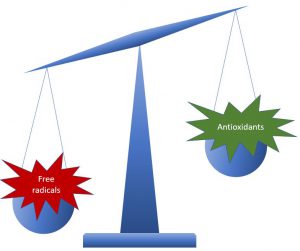
Oxidative stress : Occurs when the production of Reactive Oxygen Species (metabolites produced after oxygen use or ROS) exceeds the intrinsic antioxidant defense, thereby causing molecular damage leading to apoptotic cell death.

Interestingly, melatonin metabolites are also ROS scavengers, because this molecule is the progenitor of multiple of radical neutralizers operating in a cascade to prevent ROS-induced cellular damage (Tan et al., 2002; Sagrillo-Fagundes et al., 2014). In this way, melatonin acts directly on free radicals, but it can also act indirectly, via activation of its receptors which stimulate antioxidant enzyme expression (Richter et al., 2009; Rodriguez et al., 2004).

Melatonin: (N-acetyl-5- methoxytryptamin): member of the indolamine family, molecules having an amine group linked to an indole ring. It is synthesized from serotonin.

The team of Dr. Vaillancourt, is interested in elucidating melatonin’s function within the placenta. Her team discovered that melatonin is produced by the trophoblastic cells of the placenta, which also express its MT1 and MT2 receptors. Melatonin acts in an autocrine, intracrine and paracrine manner in this organ (Lanoix et al., 2008; Sagrillo-Fagundes et al., 2014). In 1991, Kivela et al. demonstrated an increase in melatonin levels in the maternal blood during pregnancy. The work of Dr. Vaillancourt’s team suggests that this increase is due to placental production of melatonin (Lanoix et al., 2008). In a situation of oxidative stress, generated by hypoxia / reoxygenation, melatonin protects placental cells against damage. It decreases ROS levels by neutralizing them and increases the expression and the activity of antioxidant enzymes, demonstrating its antioxidant action at the placenta level.

In the presence of oxidative stress, melatonin also protects the placental trophoblasts against the induction of apoptosis (programmed cell death) via the mitochondrial pathway. Indeed, Dr. Vaillancourt’s team has shown that melatonin maintains the oxidative balance between pro and antioxidant species, preventing cell death by apoptosis (Lanoix et al., 2013).

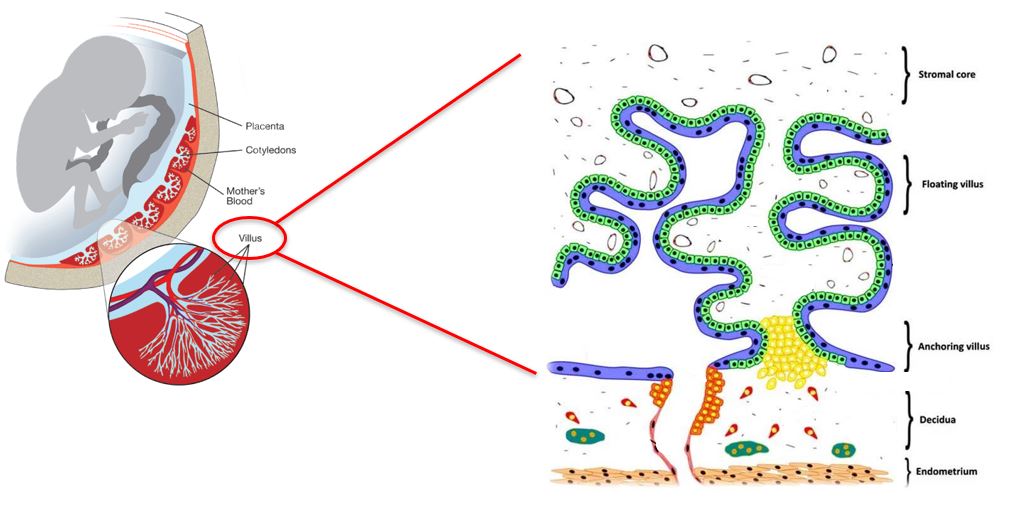
Trophoblastic cell: Main cell constituting the chorionic villus, the structural and functional unit of the placenta. It has a nurturing, metabolic and endocrine role, and also produces melatonin. Adapted from Sagrillo-Fagundes et al., 2014.

Work in progress in the Dr. Vaillancourt’s laboratory

Melatonin a “smart killer” …


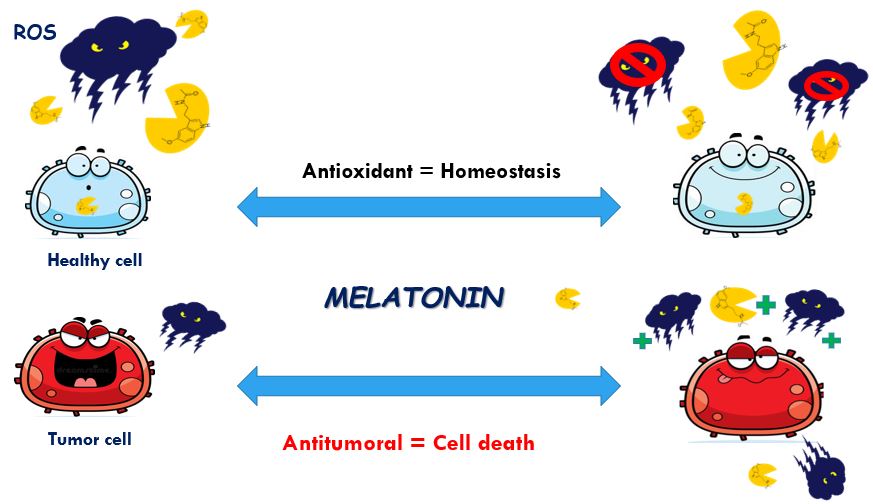
The antitumor action of melatonin has been shown in different cancer cell types (Mediavilla et al., 2010). In liver cancer (Zha et al., 2011), renal cancer (Um et al., 2010), and melanomas (Kim et al., 2014), melatonin has a pro-apoptotic effect, the opposite of action it exerts in healthy cells, which is fascinating! Indeed, it can be pro-oxidative, by inducing oxidative stress in  cancer cells, leading them do death by apoptosis (Casado-Zapico et al., 2010, Dziegiel et al., 2003). However, the action of melatonin has never been studied in placental tumor cells.

Placental choriocarcinoma is the result of the transformation of healthy trophoblasts into malignant tumors. It affects 1 in 40,000 women and is usually treated with chemotherapy. Maeda et al., 2018;  Ganapathi et al., 2010; Kaplan, C.G. et al., 2009.

The Dr. Vaillancourt’s laboratory is working on elucidating the antitumoral action of melatonin in the placenta using a cell model of placental choriocarcinoma, the BeWo cell line.

BeWo cells, as healthy placental trophoblasts, synthesize melatonin and express its receptors (Lanoix et al., 2006, 2008; Soliman et al., 2015). So far, our team has shown that these cells react differently to melatonin compared to healthy cells. We have shown a pro-apoptotic action of this indolamine (Lanoix et al., 2012).

Current work in our laboratory aims to elucidate the mechanism by which melatonin exerts a pro-oxidative effect in tumor cells. Our preliminary results show that melatonin increases the levels of ROS in BeWo cells. It also increases the expression of Xanthine Oxidase, a pro-oxidant enzyme considered as the major generator of ROS. In addition, melatonin increases the level of antioxidant enzymes (catalase, glutathione peroxidase, superoxide dismutases …). The treatment of BeWo cells with melatonin also increases lipid peroxidation and protein carbonylation, considered as the major hallmarks of oxidative stress damage.


How can this smart molecule exert completely opposite effects according to the type of cell it encounters? Our work in progress will answer this question and will allow a better understanding regarding the duality of action of melatonin in healthy versus tumoral cells.

L’article Melatonin: The Smart Protector of the Placenta est apparu en premier sur RQR.

]]>
New mutation of the FSH receptor https://www.rqr.rais-tech.com/en/bulletin/new-mutation-of-the-fsh-receptor/ Thu, 17 Jan 2019 21:16:50 +0000 https://www.rqr.rais-tech.com/?post_type=bulletin&p=7965 A collaborative project between Dr. Daniel Bernard, McGill  University, and Dr. Pierre Miron, president and founder of FERTILYS, an industrial partner of the RQR.
Successful in vitro maturation of oocytes in… >>

L’article New mutation of the FSH receptor est apparu en premier sur RQR.

]]>

A collaborative project between Dr. Daniel Bernard, McGill  University, and Dr. Pierre Miron, president and founder of FERTILYS, an industrial partner of the RQR.

Successful in vitro maturation of oocytes in a woman with gonadotropin-resistant ovary syndrome associated with a novel combination of FSH receptor gene variants: a case report. C. Flageole, C. Toufaily, D. J. Bernard, S. Ates, V. Blais, S. Chénier, M. Benkhalifa & P. Miron. J Assist Reprod Genet. 2019 Jan 5

Gonadotropin-Resistant Ovary Syndrome (GROS) is a rare cause of hypergonadotropic hypogonadism. When this syndrome is accompanied by infertility, this represents a major challenge both diagnostically and therapeutically.

Gonadotropin-Resistant Ovary Syndrome (GROS) is a rare type of hypergonadotropic hypogonadism. Patients have prolonged or absent menstrual cycles, elevated FSH levels but have normal anti-Mullerian hormone levels, as well as normal antral follicle counts.

History

A couple consulted the FERTILYS Reproductive Health Center for a second opinion. The patient was 31 years old and her husband was 36 years old. Their medical history indicated primary infertility for 2 years. The patient had a progressive lengthening of her menstrual cycle, up to 45 days. The patient was previously diagnosed with hypothyroidism that was well-controlled with Synthroid. Based on repeated high FSH dosing, a diagnosis of premature menopause was made and the couple was offered the only possible alternative: egg donation.

In Canada, 17% of couples are infertile. The annual incidence of premature ovarian failure in women between 30 and 39 years old is 76:100 000. ORS is even more rare.

New analyses, new hope

Further analyses were then carried out at FERTILYS and although they did confirm the presence of elevated levels of FSH (62, 43 and 55 IU / L), a normal level of AMH (3.14 ng/ml) and a normal ultrasound count of antral follicles (n = 13) was discordantly observed. Other analyses came back as normal: karyotype, genotyping of the FRAXA locus (Fragile-X), and autoimmune tests.

The clinical examination of the patient was atypical. She had completely disordered ovulatory function with the presence of large follicles at the beginning of the cycle, chronic anovulation, and no response to maximal doses of exogenous gonadotropins (aka ovarian stimulation treatment). In vitro maturation (IVM) of oocytes was therefore suggested to the couple. Six oocytes were collected by follicle puncture and then matured in the laboratory for up to 48 hours. Once the metaphase II stage was reached, oocytes were fertilized by intracytoplasmic sperm injection (ICSI). A grade 1 eight-cell embryo (denoting good quality) was transferred on the 3rd post-ovulatory day. After a pregnancy without any difficulties, the patient was finally able to give birth to a healthy boy.

Figure 1: Vaginal ultrasonography performed at 6 weeks and 6 days showing a normal uterine pregnancy.

Anti-Mullerian Hormone (AMH) was first described for its role in the regression of Müllerian ducts during embryogenesis in the male fetus. Later, it was shown that this hormone has a very important inhibitory action on folliculogenesis. Its serum level is proportional to the number of follicles growing in the ovary making this hormone a very good marker for the ovarian reserve. The dosing of this hormone allows to adjust the required doses of exogenous gonadotropins for ovarian stimulation treatment.

A new mutation discovery

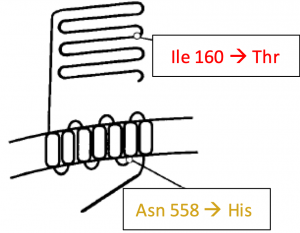
More sophisticated genetic tests (genetic panel for premature ovarian failure) highlighted the presence of heterozygous mutations in the FSH receptor gene (FSHR); FSH is the hormone that stimulates follicle growth. The first mutation, called I160T, is a pathological variant already described in the literature and it is clearly associated with GROS when present on both FSHR alleles. In contrast, the second mutation, N558H, had never been reported previously.

The effect of the second mutation is still unknown, but its position in the receptor is highly conserved between species. In silico analyses revealed that this alteration might be deleterious and that the structure and/or function of the FSH receptor might be impaired. More precisely, the mutation occurs in the 3rd intracellular loop of the receptor, which is involved in receptor binding to G proteins and consequent signal transduction.

Figure 2: FSH receptor gene, located on the short arm of the chromosome 2 where both mutations are described. The Ile160Thr mutations is located in exon 6 and the Asn558His mutation is in exon 10.

GnHTD=gonadotropin hormone transmembrane domain.

A new collaboration with the Bernard's lab from McGill University

As mentioned above, unlike the I160T mutation, the N558H mutation had never before been identified. The laboratories of Dr. Pierre Miron and Dr. Daniel Bernard have collaborated to study the effect of this new mutation at a functional level. Dr. Bernard’s team introduced both mutations individually into expression vectors (biological tools that allow the expression of a specific protein) for FSHR. The wild-type (without mutation) FSHR is localized at the cell membrane and its activation by FSH induces cascades of different signaling molecules leading to an increase in the production of a second messenger called cyclic AMP (cAMP) and to the activation of the CREB protein, whose role is to activate specific genes. The effects of the new mutation on these signaling cascades were compared to the wild-type receptor as well as to the I160T mutation already described. The results showed that in the presence of the I160T mutation, FSH cannot activate the cAMP / CREB system. However, in the presence of the novel mutation, N558H, the activation of the cAMP / CREB system as well as FSHR localization on the cell membrane look comparable to the wild-type receptor. Though these results might suggest that the N558H mutation does not affect the FSH receptor, it is possible that it affects receptor function in ways that were not assessed.

Mutagenesis is the appearance of a mutation that can be natural or artificially-induced. In nature, this process can be the root cause of cancer, hereditary diseases or evolutionary innovations and is primarily responsible for species biodiversity.

Site-directed mutagenesis is used to understand the function of genes. This technique consists of the voluntary introduction of mutations using chemical or physical agents in a DNA sequence in order to deduce information on the role of genes. In the laboratory, the modification of the amino acid sequence of a specific protein allows us to evaluate the importance of targeted amino acids in the function of the specific protein.

In silico analysis is performed using computer models. These analyses are mainly used in the fields of genomics and bioinformatics.

Figure 3: FSH receptor, showing the localization of the two mutations of interest I160T and N558H. Figure adapted from Beau et al.  J Clin Invest. 1998 Oct 1;102(7):1352-9.

Conclusion

In conclusion, thanks to the efforts of Dr. Pierre Miron’s laboratory, it has been shown that IVM should always be offered as first-line treatment in infertile women with GROS, particularly in the presence of mutations in the FSH receptor. The N558H mutation observed in the 3rd intracellular loop of the receptor is a new discovery but its functional significance, if any, has not been resolved and requires further investigation.

The RQR is proud to have been able to connect Dr. Pierre Miron and Dr. Daniel Bernard and that a new collaboration has been established through this network.

References

Aittomaki, K., et al., Clinical features of primary ovarian failure caused by a point mutation in the follicle-stimulating hormone receptor gene. J Clin Endocrinol Metab, 1996. 81(10): p.3722-6.

Huhtaniemi, I.T. and K. Aittomaki, Mutations of follicle- stimulating hormone and its receptor: effects on gonadal function. Eur J Endocrinol, 1998. 138(5): p. 473-81.

Bramble, M.S., et al., A novel follicle-stimulating hormone receptor mutation causing primary ovarian failure: a fertility application of whole exome sequencing. Hum Reprod, 2016. 31(4): p. 905-14.

Binder, H., et al., Assessment of FSHR variants and antimullerian hormone in infertility patients with a reduced ovarian response to gonadotropin stimulation. Fertil Steril, 2012. 97(5): p.1169-75.

Binder, H., et al., Association of FSH receptor and CYP19A1 gene variations with sterility and ovarian hyperstimulation syndrome. Reproduction, 2008. 135(1): p. 107-16.

Beau et al. A novel phenotype related to partial loss of function mutations of the follicle stimulating hormone receptor. J Clin Invest. 1998 Oct 1;102(7):1352-9.


Deprecated: strtoupper(): Passing null to parameter #1 ($string) of type string is deprecated in /home/raistech/rqr.rais-tech.com/wp-content/themes/apicona/inc/phpquery/phpQuery/DOMDocumentWrapper.php on line 159

Deprecated: strtoupper(): Passing null to parameter #1 ($string) of type string is deprecated in /home/raistech/rqr.rais-tech.com/wp-content/themes/apicona/inc/phpquery/phpQuery/DOMDocumentWrapper.php on line 159

Deprecated: strpos(): Passing null to parameter #1 ($haystack) of type string is deprecated in /home/raistech/rqr.rais-tech.com/wp-content/themes/apicona/inc/phpquery/phpQuery/DOMDocumentWrapper.php on line 534

Deprecated: strtoupper(): Passing null to parameter #1 ($string) of type string is deprecated in /home/raistech/rqr.rais-tech.com/wp-content/themes/apicona/inc/phpquery/phpQuery/DOMDocumentWrapper.php on line 159

RQR awards for knowledge translation

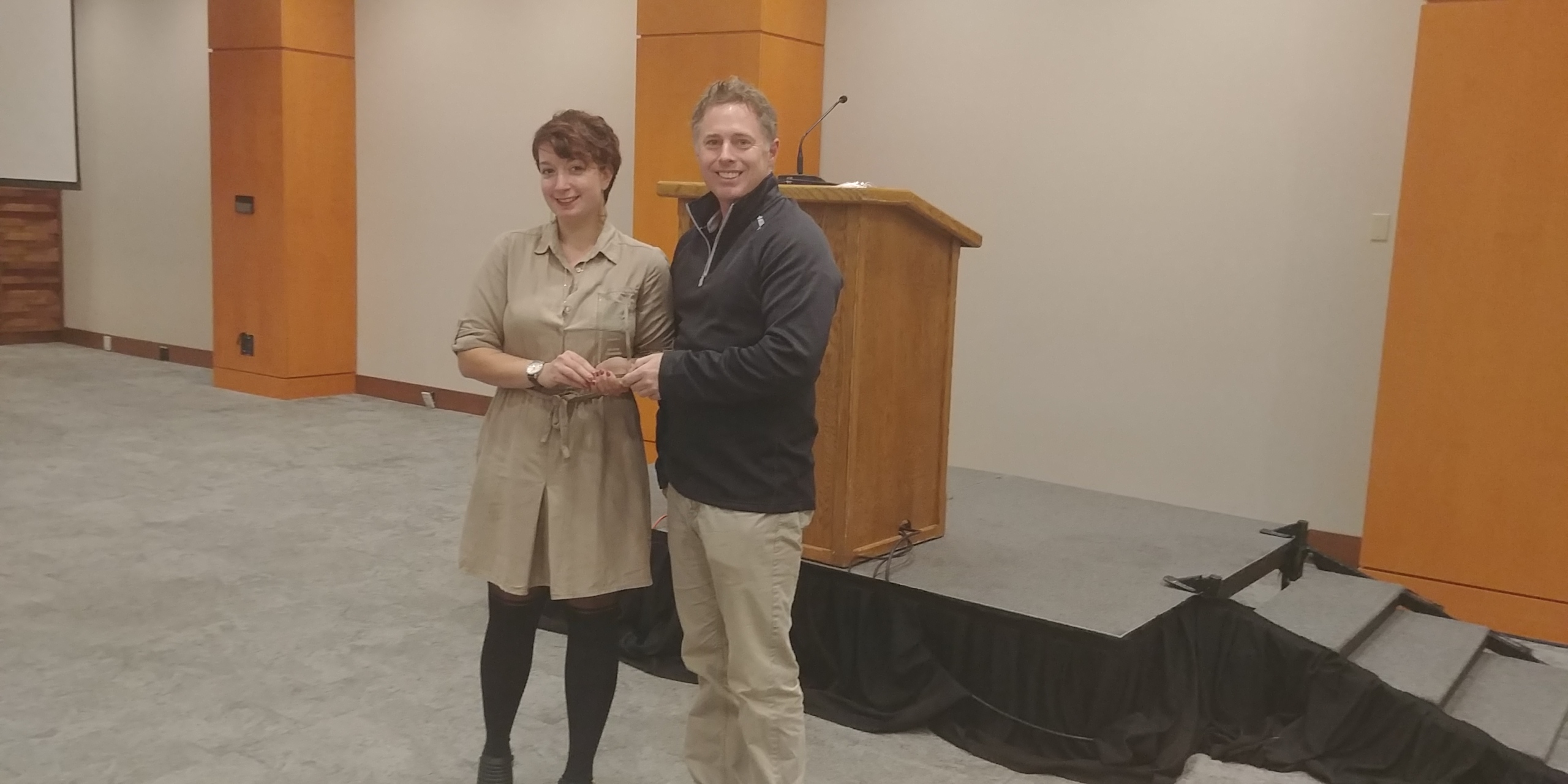
The knowledge translation efforts of two RQR members towards research end-users or the lay public were rewarded during the last RQR Symposium. The recipients were Dr. Cathy Vaillancourt from the INRS – Institut Armand Frappier and Bélinda Crobeddu, PhD student at the INRS- Institut Armand Frappier.

Knowledge translation activities may be targeted at multiple end-users and not just the scientific community. These may include: 

  • the lay public,
  • pharmaceutical and biotechnology companies,
  • veterinarians,
  • clinicians,
  • government,
  • and others relevant targets.

On behalf of all RQR members, congratulations to both awardees !

At the 11th annual Symposium of the RQR, Dr. Claude Robert, chair of the KT Committee, awarded Bélinda Crobeddu for her knowledge translation efforts towards reproductive biology research end-users.


Deprecated: strtoupper(): Passing null to parameter #1 ($string) of type string is deprecated in /home/raistech/rqr.rais-tech.com/wp-content/themes/apicona/inc/phpquery/phpQuery/DOMDocumentWrapper.php on line 159

Deprecated: strtoupper(): Passing null to parameter #1 ($string) of type string is deprecated in /home/raistech/rqr.rais-tech.com/wp-content/themes/apicona/inc/phpquery/phpQuery/DOMDocumentWrapper.php on line 159

Deprecated: strpos(): Passing null to parameter #1 ($haystack) of type string is deprecated in /home/raistech/rqr.rais-tech.com/wp-content/themes/apicona/inc/phpquery/phpQuery/DOMDocumentWrapper.php on line 534

Deprecated: strtoupper(): Passing null to parameter #1 ($string) of type string is deprecated in /home/raistech/rqr.rais-tech.com/wp-content/themes/apicona/inc/phpquery/phpQuery/DOMDocumentWrapper.php on line 159

Coming events...

  • May 10 – 11, 2019 : 24 hours of science. This year’s theme is  « Tomorrow, the Earth » . As each year, the RQR wishes to participate in this event. If you are interested in organizing such an activity, please contact Charlène Rico, RQR manager, at charlene.rico@umontreal.ca

L’article New mutation of the FSH receptor est apparu en premier sur RQR.

]]>
Prenatal Alcohol Exposure: Its Effects and Implications https://www.rqr.rais-tech.com/en/bulletin/prenatal-alcohol-exposure-its-effects-and-implications/ Fri, 31 Aug 2018 19:51:46 +0000 http://www.rqr.umontreal.ca/?post_type=bulletin&p=7540 Ongoing research in the laboratory of Dr. Serge McGraw, from the Centre de Recherche en Reproduction et Fertilité (CRRF) of Université de Montréal, precisely identifies the impairments to young embryos… >>

L’article Prenatal Alcohol Exposure: Its Effects and Implications est apparu en premier sur RQR.

]]>

Ongoing research in the laboratory of Dr. Serge McGraw, from the Centre de Recherche en Reproduction et Fertilité (CRRF) of Université de Montréal, precisely identifies the impairments to young embryos caused by prenatal exposure to alcohol.

The early stages of embryonic development are critical to ensure the survival and health of the embryo. Therefore, any disturbance during this period can have serious consequences for the future newborn. In particular, poor implementation of the embryonic epigenetic program during these early days will have deleterious effects on various key processes in the development of the embryo. A crucial step in the establishment of this program is a wave of reprogramming of DNA methylation profiles that begins after fertilization of the egg. DNA methylation is, among other things, involved in transcriptional repression, genome stability, and X chromosome inactivation.

Epigenetic modifications :

Heritable and reversible chemical modifications to the genome that modulate gene expression, without modifying the DNA sequence as would a mutation.

Approximately 40% of pregnancies are unplanned, totaling 85 million pregnancies worldwide every year.

This modification is performed through specific enzymes called methyltransferases or DNMTs, and occurs at specific locations in the DNA, namely on the cytosine-guanine (CpG) sequences (Canovas and Ross 2016; McGraw et al, 2018). During the reprogramming wave, the vast majority of genome DNA methylation patterns are cleared (except for some key sequences for which maintenance of methylation is essential). Following its implantation in the uterus, the young embryo will establish its own DNA methylation imprints in order to acquire epigenetic independence required to regulate the expression of genes that are important for development of processes such as cell differentiation.

The epigenetic reprogramming period is extremely dynamic, occurring primarily during the first week of life of the embryo (Reik, Dean, and Walter 2001, Messerschmidt, Knowles, and Solter 2014).

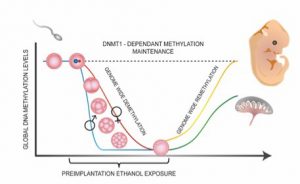
Figure 1: Graph of DNA methylation profiles during embryonic development and epigenetic reprogramming.

Blue : Global levels of DNA methylation of the paternal allele

Red : Global levels of DNA methylation of the maternal allele

– Yellow : Global levels of DNA methylation of the cells that will form the embryo

Green : Global levels of DNA methylation of the cells that will form the placenta

 (Adapted from Legault, Bertrand-Lehouillier, and McGraw 2018).

Several studies have shown that this period is sensitive to disturbances from the external environment. Adverse maternal exposures (e.g., nutrition, medication, drugs, etc.) or specific mutations in key genes (e.g., DNMT3a) can lead to errors in the embryonic epigenetic landscape. These errors have the potential to be maintained during development and have various consequences for the health of the child (e.g., neurodevelopmental disorders) (Watkins, Lucas, and Fleming 2010).

Dr. McGraw’s ongoing research

Dr. Serge McGraw’s team is working on the adverse consequences associated with a disruption in the reprogramming wave of DNA methylation. Among other things, they want to determine the impact of prenatal alcohol exposure during the preimplantation period.

Indeed, given the large number of unplanned pregnancies (around 40%, 85 million per year worldwide) (Sedgh, Singh, and Hussain 2014), many women unwittingly expose their young embryos to high levels of alcohol during their first weeks of pregnancy. Alcohol is also known to inhibit the functioning of DNMT enzymes and to interfere with the metabolism of folate and homocysteine / methionine (Kobor and Weinberg 2011, Varela-Rey et al., 2013). This has the effect of reducing the availability of methyl groups required during epigenetic reprogramming. Dr. McGraw uses mouse models to determine permanent phenotypic, molecular and cognitive impairments initiated by prenatal exposure of young embryos to alcohol. One of the more pervasive tenets of teratology is the “all-or-none” phenomenon, which refers to the concept that embryonic exposure that occurs before organogenesis results in either no adverse embryonic outcome or in embryonic death. Dr. McGraw’s work debunks this by demonstrating that exposure to alcohol during the preimplantation period has adverse consequences on the embryo, without causing death. Moreover, his lab’s results confirm that this exposure leads to the deregulation of DNA methylation patterns in the embryonic brain at mid-pregnancy as well as an increase in morphological abnormalities (eg., delayed growth, malformations of the brain, abnormal presence of blood). The most recent experiments show that these molecular consequences have long-term impacts on brain function, as adult mice have various memory and social skill deficits, even in mice with a normal appearance.

Metabolisme of folate: The transformation of folic acid (or vitamin B9) is notably involved in the synthesis of a coenzyme, which in turn allows the formation of specific nucleic acids (constituents of DNA) and amino acids.

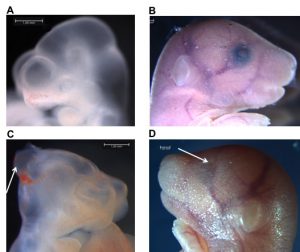
Figure 2: Healthy mouse embryos at mid-gestation (A) and at the end of gestation (B) and examples of morphological defects observed following exposure to alcohol: encephalocele (brain deformity, (C)) and absence of an eye at the end of gestation (D). (Adapted from Legault and McGraw, 2018)

Homocysteine / methionine pathway: joint pathway with the folic acid cycle, affected by alcohol thus reducing the availability of methyl groups.

Phenotypic deficienciesVisually observable abnormalities.

Conclusions and perspectives

The environment to which the embryo is exposed during its first days of life may affect the long-term health of the child through the disruption of epigenetic mechanisms. By modeling the harmful effects of maternal alcohol exposure through computer-based tools, Dr. McGraw’s team hopes to understand how errors induced in the embryonic epigenetic program can lead to neurodevelopmental disorders.

References

Canovas, S., and P. J. Ross. 2016. ‘Epigenetics in preimplantation mammalian development’, Theriogenology, 86: 69-79.

Kobor, M. S., and J. Weinberg. 2011. ‘Focus on: epigenetics and fetal alcohol spectrum disorders’, Alcohol Res Health, 34: 29-37.

Legault, L. M., V. Bertrand-Lehouillier, and S. McGraw. 2018. ‘Pre-implantation alcohol exposure and developmental programming of FASD: an epigenetic perspective’, Biochem Cell Biol, 96: 117-30.

Legault, Lisa-Marie. 2018. ‘Identification de dérèglements épigénétiques embryonnaires associés à une exposition prénatale à l’alcool pendant la période préimplantatoire’. Mémoire de maîtrise.

Messerschmidt, D. M., B. B. Knowles, and D. Solter. 2014. ‘DNA methylation dynamics during epigenetic reprogramming in the germline and preimplantation embryos’, Genes Dev, 28: 812-28.

Reik, W., W. Dean, and J. Walter. 2001. ‘Epigenetic reprogramming in mammalian development’, Science, 293: 1089-93.

Sedgh, G., S. Singh, and R. Hussain. 2014. ‘Intended and unintended pregnancies worldwide in 2012 and recent trends’, Stud Fam Plann, 45: 301-14.

Varela-Rey,  M.,  A.  Woodhoo,  M.  L.  Martinez-Chantar, J. M. Mato, and S. C. Lu. 2013. ‘Alcohol, DNA methylation, and cancer’, Alcohol Res, 35: 25-35.

Watkins,  A.  J.,  E.  S.  Lucas,  and  T.  P.  Fleming. 2010. ‘Impact of the periconceptional environment on the programming of adult disease’, J Dev Orig Health Dis, 1: 87-95.

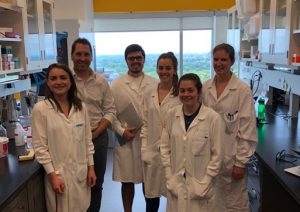
Figure 3: Members of the McGraw Laboratory. From left to right: Elizabeth Elder, Dr. Serge McGraw, Anthony Lemieux, Virginie Bertrand-Lehouillier, Mélanie Breton-Larrivée and Lisa-Marie Legault.

Funding sources :  SickKids Foundation, CHU Ste-Justine Research Center, Université de Montréal.

Salary support : Canadian Institutes of Health Research (scholarship to LM.  Legault), Fonds de recherche  du Québec – Santé Junior 1 (S. McGraw).

Upcoming events

  • RQR-CFAS Epigenetic workshop: September 12, 2018 in Montreal.
  • Science literacy week: September 17-23 2018 : if you want to organize an activity, please contact Charlène Rico, RQR manager at charlene.rico@umontreal.ca

  • 7th international conference on the epididymis: September 20-23 in Montréal.
  • CETA/ACTE & AETA joint scientific convention: September 26-29 in Montréal.
  • RQR pre-Symposium workshop: November 12th 2018.
  • RQR Symposium: November 13-14, 2018. Register here: http://fourwav.es/ symposiumRQR2018

L’article Prenatal Alcohol Exposure: Its Effects and Implications est apparu en premier sur RQR.

]]>
The pig as a research model https://www.rqr.rais-tech.com/en/bulletin/the-pig-as-a-research-model/ Wed, 01 Feb 2017 18:40:09 +0000 http://paradoxecommunication.com/RQR/?post_type=bulletin&p=5854 New therapies, drug testing, disease models and even the promise of organ generation for human use; these represent some examples of the unlimited potential of pigs in research. Laboratory of… >>

L’article The pig as a research model est apparu en premier sur RQR.

]]>

New therapies, drug testing, disease models and even the promise of organ generation for human use; these represent some examples of the unlimited potential of pigs in research. Laboratory of Dr. Vilceu Bordignon, McGill University

Although mice are the most common animal models in research, pigs have the advantage of anatomical, physiological, metabolic and genetic similarities with humans.
Since animal domestication, human intervention through breeding programs has allowed the establishment of various breeds of pig. Apart from breeds specialized for food production, smaller sized breeds (miniature- and micro-pigs) have also been selected. Their use in biomedical research has been increasing considerably in recent years, largely due to advantages they exhibit related to size and maintenance, when compared to regular sized breeds.

Building the models

Pigs offer many exciting applications, including stem cell research, tissue engineering and xenotransplantation. The combination of new molecular biology methods, genome editing tools and reproductive technology, such as in vitro embryo production and somatic cell nuclear transfer (SCNT or cloning), can now be applied to create genetically engineered pigs (both regular and minipigs).

Indeed, several research groups have successfully used these methods in regular and minipigs. Genome editing tools, including clustered, regularly interspaced, short palindromic repeats (CRISPR) together with CRISPR associated (Cas) nucleases (CRISPR/Cas), allow us to do precise manipulations in specific genes in cells, zygotes and developing embryos.

New advances in biotechnology have permitted the creation of genetically modified animals that can be engineered to mimic specific pathology seen in humans. This technology can help develop specific porcine models that better represent such conditions when compared to the classic murine models.

Système CRISPR/Cas: répétitions groupées, régulièrement intercalées, palindromiques courtes (Clustered, Regularly Interspaced, Short Palindromic Repeats) (CRISPR), combinées à des nucléases Cas (associées aux CRISPR ou CRISPR associated).

Dr Bordignon team is investigating somatic cell reprogramming, oocyte and embryo development, and using SCNT, in vitro embryo technologies and the CRISPR/Cas system to create unique models to study development, stress, metabolism and degenerative conditions.

The CRISPR/Cas system (Figure 1) includes the Cas9 nuclease, which cleaves DNA, and a single guide RNA (sgRNA), which determines the specific site in the genome to be cleaved by the Cas9. The system can be deliver to zygotes via cytoplasmic (through the membrane) or pronuclear (in the nucleus) microinjection. In embryos produced by cloning, it is possible to modify the genome either by delivering the CRISPR/Cas system in the nuclear donor cell before nuclear transfer or in the reconstructed zygotes (after SCNT).

Figure 1. A) Microinjection of CRISPR/Cas9 system. It can be injected as protein or mRNA. B) The sgRNA is paired with genomic DNA by Protospacer Adjacent Motif (PAM) recognition, allowing Cas9 to cleave DNA, editing the genome.

Sequencing of the pig genome in 2012. While it remains to be fully annotated, the sequenced pig genome represents a key factor in the development of gene-modified pigs in the post-genomic era. Without this information, specific gene modification would not be possible in this species. Thus, during the process of developing an animal model, it is essential to establish candidate genes that are related to the condition seen in humans.

Xenotransplantation

The main concerns surrounding xenotransplantation revolve around the transmission of infectious agents, as well as tissue/organ rejection. However, these challenges may be addressed through editing and engineering the pig genome. Porcine endogenous retroviruses (PERVs) are present in the pig’s DNA as inactive proviruses that can become active in other species. In 2015, researchers were able to inactivate 62 PERVs in pig embryos using the CRISPR/Cas system. Furthermore, many pig models have already been created to address tissue/organ rejections, which includes the inactivation of the α-Gal epitope, one of the main causes of tissue rejection. New studies combining the inactivation of both infectious agents and the mitigation of hyperacute rejection reactions have pushed xenotransplantation one step closer to successful application.

Farming human organs in pigs

Despite the great promise of xenotransplantation, the generation of pig-derived organs for use in humans is still a debatable issue. Meanwhile, researchers have been exploring the creation of non-immunogenic donor organs in pigs using human induced pluripotent stem cells (hiPSCs). This technology may become a reality in the coming years. Indeed, recent discoveries have shown chimera formation using hiPSCs injected into pig embryos. This may open a new perspective for circumventing the shortage of cell/organs for transplant.

The shortage of organs for transplant is a problem that is increasing worldwide. The use of organs from animal donors could decrease the waiting time for human patients in need of organ transplantation.

Ethical concerns

The greatest limitation may not be the ability to generate efficient genetically modified animal models for research, but finding an adequate balance between research objectives and avoiding unnecessary animal suffering or distress. This is even more important when considering specific genome manipulations that are known to result in significant animal disease and/or discomfort.

It is crucial that all research organizations involved (government, university and private) comply with animal welfare organizations in order to authorize, control and regulate this type of animal research.

Conclusion

The pig is a remarkable biomedical model that is gaining approval and recognition due to its similarities with humans. Innumerable applications can be derived from swine models. Despite all the potential benefits, many obstacles, both biological and ethical in nature, remain to be addressed.


References

Dooldeniya, M.D., and Warrens, A.N. (2003). Xenotransplantation: where are we today? J R Soc Med 96, 111-117.

Gutierrez, K., Dicks, N., Glanzner, W.G., Agellon, L.B., and Bordignon, V. (2015). Efficacy of the porcine species in biomedical research. Front Genet 6, 293.

Prather, R.S., Lorson, M., Ross, J.W., Whyte, J.J., and Walters, E. (2013). Genetically engineered pig models for human diseases. Annual review of animal biosciences 1, 203-219.

Walters, E.M., Wolf, E., Whyte, J.J., Mao, J., Renner, S., Nagashima, H., Kobayashi, E., Zhao, J., Wells, K.D., Critser, J.K., et al. (2012). Completion of the swine genome will simplify the production of swine as a large animal biomedical model. BMC Med Genomics 5, 55.

Wu, J., Platero-Luengo, A., Sakurai, M., Sugawara, A., Gil, M.A., Yamauchi, T., Suzuki, K., Bogliotti, Y.S., Cuello, C., Morales Valencia, M., et al. (2017). Interspecies Chimerism with Mammalian Pluripotent Stem Cells. Cell 168, 473-486 e415.

Yang, L., Guell, M., Niu, D., George, H., Lesha, E., Grishin, D., Aach, J., Shrock, E., Xu, W., Poci, J., et al. (2015). Genome-wide inactivation of porcine endogenous retroviruses (PERVs). Science 350, 1101-1104.

RQR 24 Hours of Science – Genome Code modification : How far can we go?

The 24 Hours of Science is a day of science and technology activities for audiences of all ages, taking place throughout Quebec and varying from one hour to 24 hours. The objective is to foster meetings between researchers and the general public, stimulate the general interest in science and technology, and promote scientific careers for youth.

This year’s theme is « Science and Fiction ». Cloning, gene editing, gene therapy: that appeared to be science fiction just 50 years ago may have already come true!

Therefore, the RQR invite you to its activity entitled « Genome Code Modification: How far can we go? » to discuss about gene editing with Dr. Vardit Ravitsky, RQR member and professor at the Université de Montréal. What are the techniques? What are the applications in reproductive biology? What are the ethical issues raised by this new technology?
The event is free and will take place at the Café des Beaux-Arts of Montréal on Saturday, May 13th from 13:30 to 15:00. For more information or to register, please contact the network manager by email at j.blouin@umontreal.ca or by phone at (450) 773-8521 ext. 8286.

RQR Knowledge TransferAward

During the 9th Symposium in November, the RQR presented awards of $400 to two members who distinguished themselves for their engagement with the end users. The awardees are Dr. Géraldine Delbès from the INRS and Phanie L. Charest, MSc student at the Université Laval.

By knowledge transfer, it is implied that the activities are intended for end users and not only to the scientific community. Thus we speak of scientific popularization to make the reproductive biology accessible to end users, including:

  • the general public,
  • pharmaceuticaland biotech companies,
  • veterinarians,
  • clinicians,
  • government
  • and other appropriate targets.

Dr. Delbès distinguished herself through her participation in activities for the general public such as the Pint of Science Canada Festival. She also participated to RQR video entitled « Au coeur de l’expertise en reproduction humaine et animale » on the TV program « Quoi de neuf chercheur » at the Canal Savoir. Phanie has been involved in giving conferences and workshops for veterinary pathologists and
toxicologists as well as animal health technicians.

On behalf the RQR members, congratulations to both recipients.

Date to remember…

May 13, 2017 : RQR 24 Hours of Science entitled Genome Code Modification: How far can we go?. The activity is free and will be held at the Café des Beaux-Arts in Montréal, from 13:30 to 15:00. Registration required (coffee, juice and viennoiseries will be offered).

For more details or to register: j.blouin@umontreal.ca.
To consult the full list of activities or for more information on the proposed activities visit the RQR-KT website.

L’article The pig as a research model est apparu en premier sur RQR.

]]>
Zika Virus: How a mosquito bite can affect fetal development https://www.rqr.rais-tech.com/en/bulletin/zika-virus-how-a-mosquito-bite-can-affect-fetal-development/ Sun, 01 May 2016 13:00:55 +0000 http://paradoxecommunication.com/RQR/?post_type=bulletin&p=6155 Origin of the virus, responsible vectors, symptoms and correlation with microcephalyBy Julie Blouin, RQR Network Manager
The Zika virus was isolated for the first time in 1947 from a rhesus monkey… >>

L’article Zika Virus: How a mosquito bite can affect fetal development est apparu en premier sur RQR.

]]>

Origin of the virus, responsible vectors, symptoms and correlation with microcephalyBy Julie Blouin, RQR Network Manager

The Zika virus was isolated for the first time in 1947 from a rhesus monkey in the Zika Forest in Uganda in Africa by scientists who were conducting research on yellow fever.
In 1952, the first case was detected in human and sporadic cases (about 14 documented cases) were then detected in the following years.

L’article Zika Virus: How a mosquito bite can affect fetal development est apparu en premier sur RQR.

]]>
Focus on industry’s needs in research at the reproduction level: second RQR networking workshop https://www.rqr.rais-tech.com/en/bulletin/communicated-1/ Fri, 15 Jan 2016 14:15:14 +0000 http://paradoxecommunication.com/RQR/?post_type=bulletin&p=4629 Report of topics discussed during the meeting between veterinarians, fertility clinicians, RQR researchers and pharmaceutical/ biotechnological companies held on May 25, 2015 at the Faculté de médecine vétérinaire of the… >>

L’article Focus on industry’s needs in research at the reproduction level: second RQR networking workshop est apparu en premier sur RQR.

]]>

Report of topics discussed during the meeting between veterinarians, fertility clinicians, RQR researchers and pharmaceutical/ biotechnological companies held on May 25, 2015 at the Faculté de médecine vétérinaire of the Université de Montréal in St-Hyacinthe.

The objective of the networking workshop was to establish and strengthen interactions between RQR researchers and end-users to address key problems in reproduction and create a synergy to increase efficiency and output.

L’article Focus on industry’s needs in research at the reproduction level: second RQR networking workshop est apparu en premier sur RQR.

]]>
Accelerating reproductive biology research, one egg at a time! https://www.rqr.rais-tech.com/en/bulletin/accelerating-reproductive-biology-research-one-egg-at-a-time/ Tue, 01 Sep 2015 13:00:42 +0000 http://paradoxecommunication.com/RQR/?post_type=bulletin&p=6158 Frédéric Leduc, Immune Biosolutions
Antibodies are at the core of most biomedical applications and modern research. Despite their critical importance to the advancement of knowledge and to many research applications, diagnostic… >>

L’article Accelerating reproductive biology research, one egg at a time! est apparu en premier sur RQR.

]]>

Frédéric Leduc, Immune Biosolutions

Antibodies are at the core of most biomedical applications and modern research. Despite their critical importance to the advancement of knowledge and to many research applications, diagnostic and therapeutic, it is still difficult to find adequate and specific antibodies.

L’article Accelerating reproductive biology research, one egg at a time! est apparu en premier sur RQR.

]]>
A new heat detection system for dairy cows: a collaboration between CCTT and industry! https://www.rqr.rais-tech.com/en/bulletin/a-new-heat-detection-system-for-dairy-cows-a-collaboration-between-cctt-and-industry/ Fri, 01 May 2015 13:00:07 +0000 http://paradoxecommunication.com/RQR/?post_type=bulletin&p=6160 Nadia Bergeron, agr. M.Sc., Agrinova
Agrinova, the College Center for Technology Transfer (CCTT) in agriculture from the Collège d’Alma, is currently carrying out a project in the field of reproduction in… >>

L’article A new heat detection system for dairy cows: a collaboration between CCTT and industry! est apparu en premier sur RQR.

]]>

Nadia Bergeron, agr. M.Sc., Agrinova

Agrinova, the College Center for Technology Transfer (CCTT) in agriculture from the Collège d’Alma, is currently carrying out a project in the field of reproduction in dairy cows with the company Conception, located in Beaumont, Quebec and whose founding president is Dr. Paul Rouiller, a RQR member.

L’article A new heat detection system for dairy cows: a collaboration between CCTT and industry! est apparu en premier sur RQR.

]]>
New trisomy screening approach targeting fetal DNA present in maternal blood https://www.rqr.rais-tech.com/en/bulletin/new-trisomy-screening-approach-targeting-fetal-dna-present-in-maternal-blood/ Thu, 15 Jan 2015 14:00:14 +0000 http://paradoxecommunication.com/RQR/?post_type=bulletin&p=6163 Dr. Dominique Bérubé, Director of the genetics laboratory at OVO Clinic.
Several recent studies have demonstrated that intact fetal cells, as well as free fetal DNA, circulate in maternal blood. However,… >>

L’article New trisomy screening approach targeting fetal DNA present in maternal blood est apparu en premier sur RQR.

]]>

Dr. Dominique Bérubé, Director of the genetics laboratory at OVO Clinic.

Several recent studies have demonstrated that intact fetal cells, as well as free fetal DNA, circulate in maternal blood. However, fetal cells are in very small quantities and they are difficult to isolate.

L’article New trisomy screening approach targeting fetal DNA present in maternal blood est apparu en premier sur RQR.

]]>